
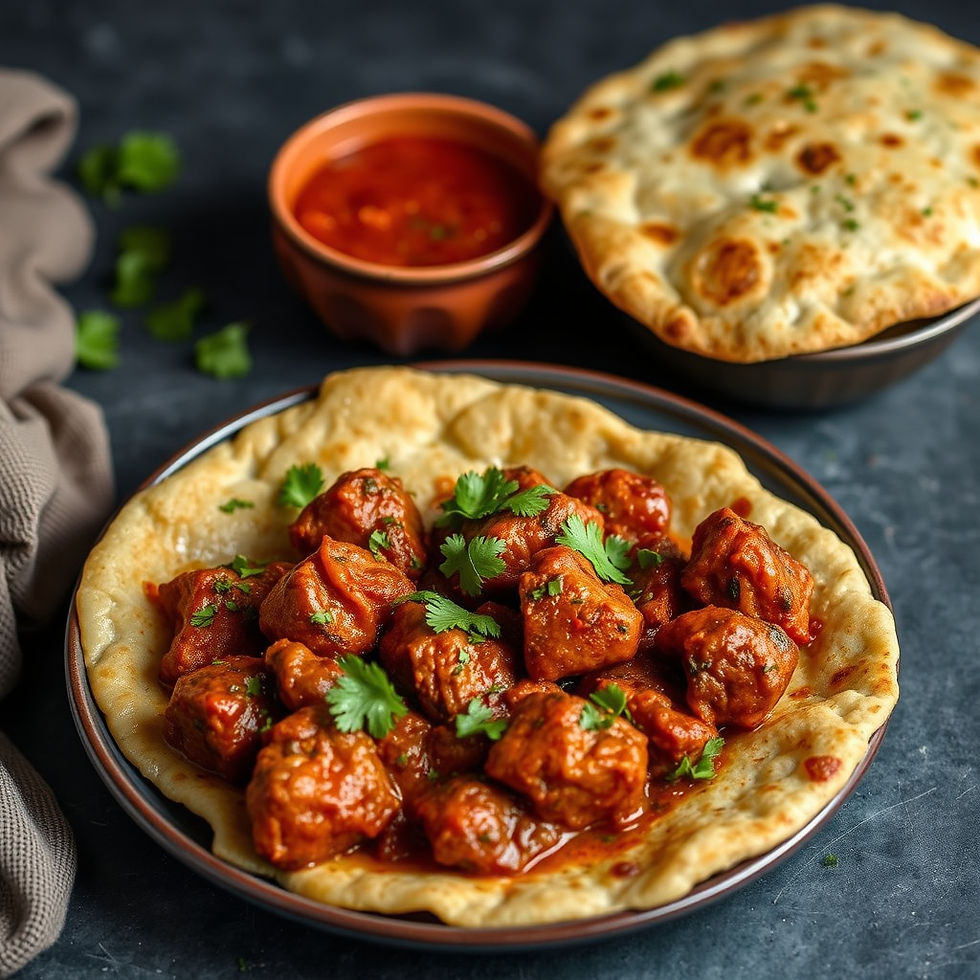
Why soya chaap chaat may not always be your best friend even if it is high in protein ?

Soya nuggets have gained popularity as a protein-rich, plant-based food option. They are often praised for their versatility and nutritional benefits, especially among vegetarians and vegans. However, Soya may not always be the best choice for you especially if your thyroid health is not optimal .
Understanding Thyroid Health and Its Importance
The thyroid gland plays a crucial role in regulating metabolism, energy levels, and overall hormonal balance. It produces hormones like thyroxine (T4) and triiodothyronine (T3), which influence many bodily functions. When the thyroid does not function properly, conditions such as hypothyroidism or hyperthyroidism can develop, leading to symptoms like fatigue, weight changes, and mood disturbances.
Maintaining thyroid health depends on several factors, including adequate intake of iodine, selenium, and other nutrients. Diet plays a significant role in supporting or disrupting thyroid function, which is why understanding the impact of certain foods is essential.
What Are Soya Nuggets?
Soya nuggets, also known as textured vegetable protein (TVP), are made from defatted soy flour. They are processed into small, dry chunks that expand when cooked. These nuggets are rich in protein, low in fat, and contain fiber, making them a popular meat substitute.
Despite their nutritional benefits, soya nuggets contain compounds that may affect thyroid health, especially when consumed in large amounts or by individuals with existing thyroid issues.
How Soya Nuggets Affect Thyroid Function
Presence of Goitrogens
Soya products, including soya nuggets, contain natural substances called goitrogens. Goitrogens can interfere with the thyroid gland’s ability to absorb iodine, a mineral essential for hormone production. When iodine uptake is blocked, the thyroid may enlarge to compensate, potentially leading to goiter or hypothyroidism.
Isoflavones and Thyroid Hormones
Soya contains isoflavones, plant compounds classified as phytoestrogens. Research suggests that isoflavones can inhibit the enzyme thyroid peroxidase (TPO), which is necessary for the synthesis of thyroid hormones. This inhibition may reduce hormone production, especially in people with iodine deficiency or pre-existing thyroid conditions.
Impact on People with Hypothyroidism
For individuals diagnosed with hypothyroidism, consuming large amounts of soya nuggets might worsen symptoms or interfere with thyroid medication absorption. Some studies indicate that soya can reduce the effectiveness of levothyroxine, a common thyroid hormone replacement drug.
Balancing Soya Nugget Consumption with Thyroid Health
Moderation Is Key
Eating soya nuggets occasionally and in moderate amounts is unlikely to cause thyroid problems in healthy individuals. The risk increases mainly when soya intake is excessive or combined with low iodine intake.
Ensure Adequate Iodine Intake
Iodine is critical for thyroid hormone production. Including iodine-rich foods such as seaweed, fish or iodized salt can help counteract the goitrogenic effects of soya.
Cooking Methods Matter
Cooking soya nuggets thoroughly can reduce goitrogen levels. Heat deactivates some of the compounds that interfere with thyroid function, making cooked soya products safer than raw or minimally processed forms.
Timing with Thyroid Medication
People on thyroid hormone replacement should avoid consuming soya products close to medication times. Waiting at least 3 to 4 hours after taking medication before eating soya can help prevent absorption issues.
As a vegetarian soya isn't the only source of protein that one can consume . Further consuming soy in fermented forms and in forms like edamame , soy milk , tempeh may be overall more beneficial than Soya in the processed form.



Comments